Planting services in Victoria for homes, businesses, and outdoor spaces that need the right start
If you are looking for planting services in Victoria, you are probably after more than just putting plants in the ground. You want the right species for your site, proper soil preparation, careful placement, and a result that suits the way your property looks and functions. Whether you are improving a front garden in a suburb close to the city, refreshing a courtyard, upgrading a retail frontage, or adding greenery to a larger commercial site, professional planting can make a noticeable difference from day one.
Victoria’s climate, property styles, and growing conditions vary widely. Coastal winds, hot summer periods, shaded inner-city blocks, clay soils, newer estates, and established gardens all create different challenges. A local team understands how to match plants to your conditions so they have the best chance to establish well and keep looking good. That means better long-term value, less replacement work, and a landscape that feels intentionally designed rather than rushed.
From small residential planting jobs to larger landscape projects, the right service can help with plant selection, delivery coordination, planting, mulching, watering-in, and practical advice on care after installation. If you want your garden beds, screens, hedges, or feature trees to thrive, a local planting service can help you make smart choices that suit your space and your schedule. Contact us today to discuss your site and request a free quote.
Why planting services matter for Victorian properties

Good planting is about more than appearance. In Victoria, it can help soften hard landscaping, improve privacy, reduce glare, define outdoor zones, and bring colour and structure to otherwise plain areas. Well-chosen plants can also support shade, create more comfortable outdoor living spaces, and make an entryway feel more welcoming for customers, tenants, or visitors.
Local property owners often find that planting is one of the most cost-effective ways to change the feel of a site. A few carefully placed trees, shrubs, grasses, or groundcovers can transform a bare frontage or empty backyard. For commercial properties, planting can improve the presentation of an office, childcare centre, apartment complex, hospitality venue, or strata common area without needing a full rebuild.
Victoria also includes many different microclimates. A plant that thrives in one location may struggle in another if it is exposed to wind, salt spray, reflected heat, heavy shade, or poor drainage. That is why planting services in Victoria should always be tailored to the site, not just to a catalogue of attractive plants. The aim is to choose material that looks right and lasts.
What is included in a planting service?
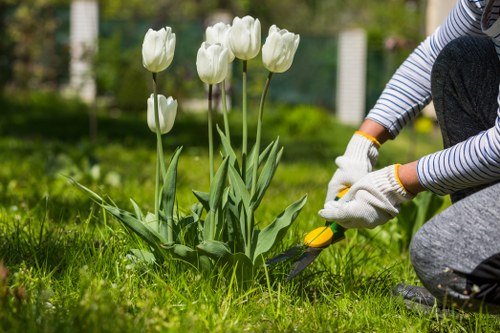
A professional planting service can be as simple or as involved as your project requires. Some customers only need labour for planting pre-purchased plants, while others want support from selection to final clean-up. A good service is flexible and practical, especially when the property layout or access makes the work more demanding.
Typical planting services may include:
- Site assessment and planting plan discussion
- Plant selection suited to sun, shade, soil, and water conditions
- Soil improvement, composting, or topsoil preparation where needed
- Installation of trees, shrubs, hedges, grasses, groundcovers, and seasonal colour
- Spacing and positioning for healthy growth and visual balance
- Mulching to conserve moisture and reduce weeds
- Watering-in after planting
- Staking for young trees when required
- Green waste removal and tidy-up after the work is complete
Some jobs also include help with garden bed shaping, edging, irrigation adjustments, or replacement planting in areas where older plants have failed. If you have an existing landscape that needs refreshing, a planting team can often work around mature trees, pathways, paving, or fencing to improve the area without disturbing the whole site.
Planting solutions for different property types
One reason local customers look for planting services in Victoria is that every property type has different practical needs. A townhouse courtyard, a suburban family home, a restaurant frontage, and a school playground all require a different approach. Plants are chosen not just for looks, but for maintenance level, root behaviour, safety, and how they fit into everyday use.
Residential customers often want planting that improves privacy, reduces street exposure, or frames a backyard entertaining area. In many homes, there may be limited soil depth, narrow side access, or existing paving that makes the job more detailed. Good planting can still be achieved with the right plan and the right equipment.
Commercial and strata customers usually need planting that is durable, consistent, and easy to maintain. This may involve mass plantings, formal hedging, hardy native landscapes, or low-maintenance species that stay neat around entrances, car parks, and common spaces. In these settings, the planting must look professional while also coping with foot traffic, routine maintenance, and the expectations of tenants or visitors.
Common property types we can help with
- Front gardens and street-facing yards
- Backyards and outdoor living areas
- Courtyards and balconies with planters
- Townhouses and units
- New builds needing first-time planting
- Schools, childcare centres, and community facilities
- Retail, hospitality, and office frontages
- Strata and body corporate common areas
- Industrial and business premises where presentation matters
Choosing plants that suit Victoria’s conditions

The best planting results come from matching the plant to the site rather than forcing a plant into the wrong location. Victoria has coastal conditions, dry inland pockets, cooler elevated areas, and urban sites with heat reflected from concrete and brick. A local planting team will usually consider sun exposure, drainage, soil type, wind, and how much maintenance you want to take on once the work is done.
For example, a plant that performs well in a sheltered inner-city courtyard may not cope with a windy location near the coast. Likewise, some species are ideal for screening along a boundary but may grow too large for a narrow side garden. Choosing correctly at the start reduces stress, improves plant health, and avoids unnecessary replacements later.
Many Victorian customers also want a mix of practical and visual outcomes. They may want evergreen screening for privacy, flowering shrubs for colour, hardy natives for lower water use, or ornamental grasses to create movement and soften hard edges. A local planting service can help balance style, maintenance, and long-term growth so the landscape stays useful as well as attractive.
Helpful plant selection considerations
Sun and shade: Some locations receive full sun all day, while others sit under eaves, trees, or neighbouring buildings.
Water use: New plantings need regular watering at the start, but plant choice can help reduce ongoing demand once established.
Growth habit: Shrubs, trees, groundcovers, and climbers all grow differently and should suit the available space.
Maintenance level: Some customers want a tidy, formal look; others want a relaxed garden that needs less frequent pruning.
How the planting process usually works

A straightforward planting job still benefits from a clear process. Most customers appreciate knowing what to expect, especially when the work needs to fit around family life, business hours, or other trades on site. The process may vary depending on the scale of the project, but a typical planting service often follows these steps.
- Initial discussion: Talk through what you want to achieve, the style you prefer, and any issues such as privacy, shade, or poor drainage.
- Site review: Assess access, soil conditions, available space, existing plants, and any obstacles such as paving, retaining walls, or irrigation lines.
- Plant selection: Choose plants that suit your goals, your maintenance preferences, and the conditions on site.
- Preparation: Prepare planting holes, improve soil where needed, and make sure the layout suits the mature size of the plants.
- Planting: Install plants carefully, position them correctly, and check spacing and alignment.
- Finishing: Mulch, water-in, and tidy the area so it looks clean and ready to settle in.
- Aftercare advice: Explain watering, establishment care, and any early maintenance that helps the plants settle well.
When the process is clear, customers can feel confident that the planting has been done properly from the start. That matters because small details such as planting depth, spacing, and soil condition can strongly influence how well the plants perform later.
Preparation checklist before planting starts
Good preparation can save time on the day and help the planting work go smoothly. If you are organising a garden upgrade or landscape refresh, a little planning before the team arrives can make a big difference.
- Clear access paths where possible, especially for wheelbarrows or delivery movement
- Identify sprinkler heads, utility covers, or irrigation points that should not be disturbed
- Decide whether existing plants will stay, be moved, or be removed
- Think about privacy needs, shade, and the style you want to achieve
- Consider how much maintenance you want to take on after installation
- Check if there are pets, children, staff, or customers who need the area kept clear during the work
- Make sure any body corporate, landlord, or site manager approvals are in place if required
If you are not sure about any of these points, a local planting contractor can help you work through them before the job begins. That is particularly useful on tighter residential blocks or shared commercial sites where access and timing need to be managed carefully. Request a free quote if you want help planning the job properly.
Access, parking, and site challenges across Victoria
Many Victorian properties have site constraints that affect planting work. In older suburbs, there may be narrow driveways, tight side access, heritage features, or established gardens with limited room for machinery. In apartment buildings or commercial precincts, parking restrictions, loading access, lifts, or shared entries can all influence how the job is carried out.
A local team is used to working around these conditions. That can mean bringing the right hand tools, planning deliveries carefully, protecting existing surfaces, and organising the work so it causes as little disruption as possible. On some sites, a planting project may need staged access so the team can move through garden beds or common areas without affecting residents, staff, or customers.
Weather is another practical factor. Victoria can present quick changes in conditions, so timing matters. Planting during excessive heat, heavy wind, or very dry conditions may require extra care. A local service will understand when to proceed, when to water more heavily, and when to adjust the work to protect the plants and the site.
Benefits of using a local planting company in Victoria
There are many reasons local customers prefer a Victorian planting team over a general contractor with limited site knowledge. The main advantage is practical experience with local conditions and the range of property styles found across the region.
Local knowledge means better plant choices. A team that works in Victoria regularly will know how plants respond to coastal exposure, summer heat, winter damp, clay soil, or shaded inner-city spaces. That knowledge helps avoid common mistakes and makes the landscape more resilient.
Local service also means better coordination. It is easier to arrange site visits, deliveries, and work schedules when the team understands the area and can account for traffic patterns, parking limitations, and access restrictions. That matters for time-sensitive work, especially at homes with busy families or businesses that need to keep operating.
Why customers value a nearby team
- Faster response times for quotes and site assessments
- Better understanding of local soils and climate
- Practical experience with smaller blocks and tight access
- More suitable plant recommendations for the area
- Simple scheduling around residential or commercial routines
If you want planting that is planned with the local environment in mind, a Victoria-based team can make the process smoother from the first conversation through to the finished result.
Areas covered across Victoria
Planting needs are found right across Victoria, from city-edge suburbs to coastal properties, growth corridors, and established neighbourhoods. A local service can usually help with projects across a wide service area, including residential and commercial properties in and around Melbourne as well as regional centres and surrounding districts, depending on the work being arranged.
Customers often need planting for properties in inner suburbs, outer suburban estates, bayside locations, lifestyle blocks, retail strips, office parks, and shared developments. Each area can bring different expectations around plant style, maintenance, water use, and presentation.
Common service locations may include:
- Melbourne and surrounding metropolitan suburbs
- Bayside and coastal areas
- Eastern and western suburbs
- Northern and south-eastern growth areas
- Regional centres and nearby townships
- New housing estates and established residential streets
- Commercial precincts, mixed-use sites, and strata complexes
If your property is in Victoria and you are not sure whether your area is covered, it is worth asking when you request your quote. Many planting jobs can be planned efficiently once the location, access, and scope are confirmed.
What affects the cost of planting services?
Customers often want to understand what shapes the price of a planting job. While exact pricing depends on the site and the plants chosen, several common factors will influence the total cost.
These may include:
- Number and size of plants to be installed
- Type of plants, including trees, hedges, shrubs, or groundcovers
- Whether soil improvement or removal of poor soil is needed
- Access to the site and how easy it is to move materials in and out
- Time needed for careful placement, staking, or mulching
- Whether old plants must be removed first
- Site conditions such as slope, drainage, or compacted soil
- Additional work such as irrigation adjustments or clean-up
It is often helpful to think of planting as an investment in how a property functions over time. Choosing plants that suit the site and arranging them correctly can reduce future maintenance and replacement work. A clear quote should explain what is included so you know exactly what is being done.
Book your service now if you are ready to improve your garden beds, boundary screening, or commercial frontage with the right planting plan.
What makes a successful planting job?
Not every planting job looks the same, but the most successful ones usually share a few important traits. The plants are suited to the climate, the spacing is correct, the soil is prepared properly, and the finish suits the overall look of the property. Just as important, the work is practical for the owner to maintain.
A good planting job should feel integrated with the rest of the landscape. That means considering existing paving, fencing, outdoor furniture, paths, retaining walls, and the way people move through the space. Plants should enhance the site, not block access or create unnecessary maintenance problems.
On larger properties, successful planting also means working well with other landscape elements. Trees may be placed to provide future shade, shrubs may be chosen to screen service areas, and lower plantings can help soften hard lines around paving or buildings. The result should look balanced both on the day of planting and in the months that follow.
Aftercare and establishment support
The job does not end when the last plant goes in the ground. Establishment care is essential, especially in the first few weeks and months after planting. This is when new plants are adjusting to their location, developing roots, and responding to weather changes.
Basic aftercare advice may include how often to water, when to check mulch levels, how to monitor for stress, and when to reduce support like staking. Some plants need more attention at first, while others settle quickly if the site conditions are right. A local planting service should give practical advice that matches the plants installed and the season they were planted in.
If you are managing a busy household or commercial property, simple and realistic maintenance advice can be especially helpful. The goal is to protect the investment you have just made and help the planting establish into a healthy part of the landscape.
Frequently asked questions
Do I need to supply the plants myself?
Not always. Some customers already know what they want and supply the plants, while others prefer help sourcing the right plants for the site. A planting service can often work either way, depending on the arrangement and project scope.
Can planting be done in small courtyards or tight side access areas?
Yes. Many Victorian properties have compact spaces, and planting can still be done effectively with the right approach. Access planning is important, but small spaces often benefit greatly from thoughtful planting.
What if my soil is poor or compacted?
Soil condition is a common issue, especially in established suburbs or newer developments where the ground may be dense or low in organic matter. Soil improvement may be recommended before planting to give the plants a better start.
Can you help with privacy screening?
Yes. Screening is one of the most common reasons people arrange planting services. The right hedge or layered planting can help create privacy while still fitting the available space.
Is planting suitable for commercial properties?
Absolutely. Commercial planting can improve presentation, soften hard surfaces, and create a more professional appearance. It can also be planned around business hours and access requirements.
How do I know which plants will suit my place?
A site assessment is the best starting point. Sun, shade, soil, wind exposure, maintenance preferences, and design goals all influence the best choice. That is why local advice matters so much.
Why customers choose professional planting instead of doing it themselves
Many people enjoy gardening, but planting can still be more complex than it first appears. Getting the plants in the ground is only one part of the job. The real challenge is making sure they are placed at the right depth, spaced correctly, supported properly, and matched to the site conditions.
Professional planting services are useful when you want a cleaner result, less physical strain, and fewer mistakes. They are also valuable for larger jobs where timing, transport, and site clean-up become more important. A skilled team can complete the work efficiently and leave the site looking settled and ready to grow.
For busy families, property managers, business owners, and owners of investment properties, outsourcing the planting can save time while improving the final result. It is a practical option when you want the landscape to look finished rather than pieced together over several weekends.
Ready to improve your property with planting?
Whether you are planning a small garden refresh or a larger landscape update, professional planting can help you create a space that looks better and works better. From privacy screening and decorative beds to tree planting and commercial frontage improvements, the right service can give your property a stronger first impression and a healthier foundation for future growth.
If you are comparing options for planting services in Victoria, focus on local knowledge, clear communication, practical plant selection, and a service that understands your type of property. Those details matter when you want the work done properly and the plants to establish well.
Contact us today to discuss your site, ask about available planting options, and request a free quote. If you are ready to get started, book your service now and take the first step toward a greener, better-finished outdoor space.

